
ADVERTISEMENT
ADVERTISEMENT
ADVERTISEMENT
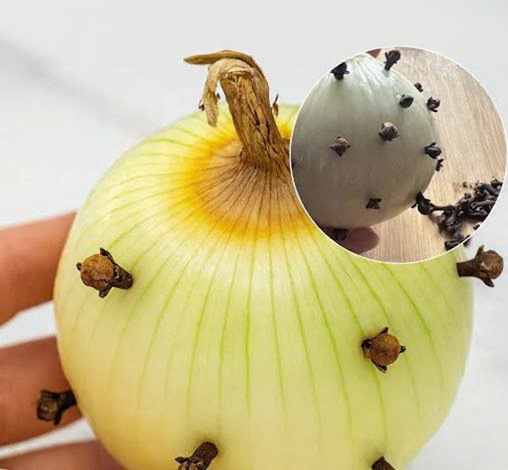
For generations, people have used a simple home remedy involving an onion studded with cloves to ease discomfort during colds or congestion. While traditions like this hold cultural value and offer a sense of comfort, it’s helpful to understand what they can—and cannot—do. Here’s a clear look at the benefits, the science, and the myths behind this time-honored practice.
The Traditional Method
The classic approach is simple:
-
Peel a whole white or yellow onion.
-
Insert 6–12 whole cloves into it, like little pins.
-
Place the onion on a dish near your bed or in a sickroom.
-
Leave it overnight or for up to 1–2 days.
People traditionally claim that this setup:
-
Helps clear the air
-
Reduces nasal congestion
-
Promotes more restful sleep
-
Masks unpleasant odors
What Science Actually Supports
Onions Contain Natural Antimicrobial Compounds
Onions have sulfur compounds and antioxidants like quercetin. Lab studies show these can inhibit certain bacteria—including E. coli and Staph aureus—but this effect happens directly on the onion itself, not throughout a room. During the 1918 flu pandemic, onions were placed in homes based on older beliefs about “bad air,” not proven medical science.
Cloves Are Naturally Antiseptic
Cloves contain eugenol, a powerful compound known for its antimicrobial and soothing properties. They’ve been used in traditional medicine and dentistry for centuries to help ease minor discomfort and fight germs on surfaces.
But They Do Not Absorb Germs
The idea that an onion can pull viruses or bacteria out of the air—or out of your body—is a myth. Any effect is minimal and localized to the onion’s surface. What you notice in a room is primarily the scent released, not germ-cleaning action.
What You Might Actually Experience
While not a cure, this clove-and-onion setup may offer gentle comfort:
-
Aromatherapy benefits: Strong vapors can make breathing feel easier.
-
Slight moisture release: Can help reduce dryness in the air.
-
Odor masking: The aroma may cover stale or sickroom smells.
-
Placebo comfort: The routine can feel calming, which supports overall well-being.
What This Remedy Cannot Do
-
Cure colds, flu, or infections
-
Replace proper hygiene or medical treatment
-
Remove viruses or bacteria from your body
-
“Draw out” illness—this is not scientifically supported
A Safety Note
Cut or peeled onions left out too long can eventually grow bacteria or mold. It’s best to discard the onion after 24–48 hours and wash your hands after handling it. Do not eat an onion that has been left out for this purpose.
A Safer, More Effective Alternative
If you want a natural way to ease congestion, try this gentle method:
Simmer onion, garlic, cloves, and ginger in water and inhale the steam for a few minutes. The warm vapor can help open the airways—just be careful with hot steam.
Final Thought: Blending Tradition and Modern Understanding
The onion-and-cloves remedy isn’t a miracle cure, but it can provide mild comfort, soothing aromas, and a sense of tradition during times of illness. If it helps you relax, enjoy it—just remember to pair it with reliable medical care and healthy habits.
Traditional wisdom and modern science can work beautifully together.
ADVERTISEMENT