
ADVERTISEMENT
ADVERTISEMENT
ADVERTISEMENT
Winter Nosebleeds: Why They Happen and How to Prevent Them
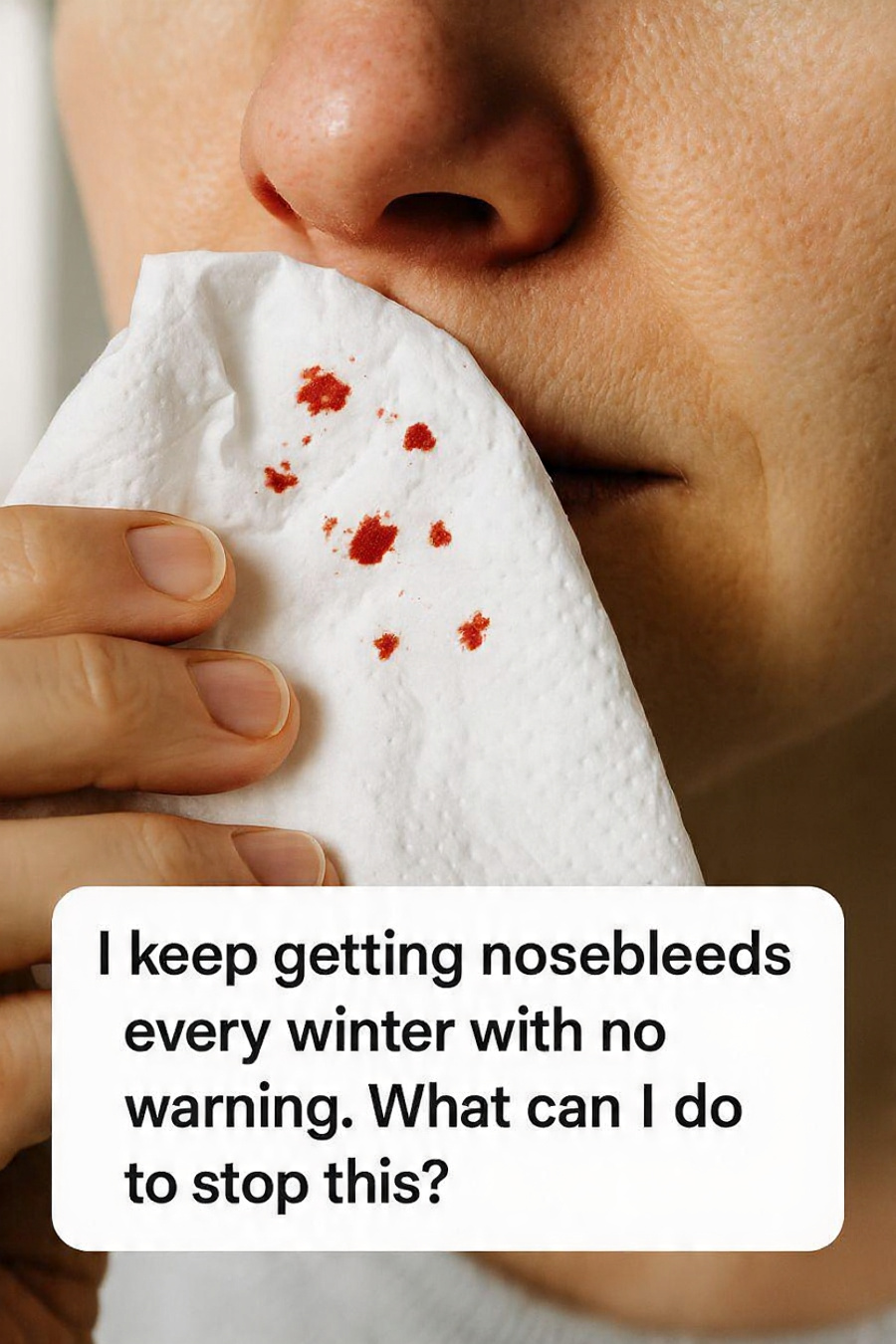
As winter approaches, many people find themselves dealing with more than just colds and flu. Nosebleeds often become an unexpected seasonal problem, appearing suddenly and without warning. While they can be annoying and uncomfortable, winter nosebleeds are usually easy to explain—and often prevent.
Cold outdoor air combined with dry indoor heating creates conditions that dry out the nasal passages. When the delicate lining inside the nose becomes irritated or cracked, bleeding can occur. The good news is that with the right habits and preventive steps, you can greatly reduce how often nosebleeds happen during the winter months.
1. Why Winter Causes Sudden Nosebleeds
Winter air holds far less moisture than warm air. When temperatures drop, both outdoor air and heated indoor air become extremely dry. Indoor humidity levels can fall below 20%, even though the ideal range is 30–50%. This dryness strips moisture from the nasal lining, making it fragile and prone to bleeding.
Quick temperature changes also play a role. Moving from cold outdoor air into a warm room causes blood vessels in the nose to rapidly expand. These sudden shifts can cause small vessels to break, triggering a nosebleed.
2. Dry Nasal Lining = Higher Bleeding Risk
The nasal mucosa is responsible for keeping your nose moist and filtering out dust and germs. When it dries out, tiny cracks can form—similar to chapped skin in winter. Because the nose contains many small blood vessels close to the surface, even minor irritation can cause bleeding.
Keeping the nasal lining moist helps protect these blood vessels and reduces irritation.
3. Use a Humidifier—But Don’t Overdo It
A humidifier is one of the most effective tools for preventing winter nosebleeds. It adds moisture to the air and helps maintain healthy humidity levels. Focus on rooms where you spend the most time, especially bedrooms.
Avoid setting humidity too high, as excess moisture can encourage mold growth. A hygrometer can help you monitor humidity and keep it in a safe range.
4. Saline Sprays and Nasal Gels: How to Use Them
Saline nasal sprays are safe to use several times a day. They moisturize nasal tissues and loosen mucus without the rebound dryness caused by medicated sprays.
Nasal gels provide longer-lasting moisture. Applying a small amount inside each nostril before bed helps keep the nose hydrated overnight and protects the lining while you sleep.
5. Do Viral Humidity Hacks Really Work?
Online tips like placing bowls of water around your home or hanging damp towels near heaters may slightly increase humidity, but their effects are minimal.
For consistent and noticeable results, a proper humidifier is far more effective and reliable than DIY methods.
6. Daily Habits That Protect Your Nose
Staying hydrated is essential—drinking enough water helps keep all tissues moist, including your nasal passages. Warm showers can also help, as steam hydrates the nose naturally.
Avoid irritants such as cigarette smoke, strong cleaning products, and harsh fragrances. Applying a gentle moisturizer around the nostrils can help prevent external dryness as well.
7. Avoid Nose Picking and Forceful Blowing
Picking your nose or blowing it aggressively can easily damage fragile blood vessels, especially when the nasal lining is already dry.
Blow your nose gently and only when necessary. If congestion is a problem, saline sprays or rinses are a safer way to clear mucus.
8. Using Vaseline and Ointments Safely
Petroleum jelly and similar ointments can seal in moisture and protect the nasal lining. Use a small amount and apply it gently near the front of the nostrils—never deep inside.
Avoid excessive use, especially in young children. Alternatives such as coconut oil or specialized nasal ointments are also good options.
9. Medications and Health Conditions That Contribute
Some medications, including antihistamines and decongestants, can dry out the nasal passages. If you suspect this is contributing to nosebleeds, talk to your healthcare provider about alternatives.
Conditions such as allergies, sinus infections, or structural issues like a deviated septum may also increase nosebleed risk and may require targeted treatment.
10. How to Stop a Nosebleed Quickly
If a nosebleed starts, stay calm. Sit upright and lean slightly forward. Pinch the soft part of your nose firmly for 5–10 minutes without checking too soon.
Breathe through your mouth and avoid swallowing blood. A cold compress on the nose or cheeks can help constrict blood vessels and stop the bleeding faster.
11. Warning Signs That Require Medical Care
Most winter nosebleeds are harmless, but seek medical help if bleeding lasts longer than 20 minutes, happens very frequently, or is accompanied by dizziness, weakness, or paleness.
If you have a known bleeding disorder or notice bleeding elsewhere in the body, consult a healthcare professional promptly.
12. Long-Term Solutions for Recurrent Nosebleeds
When nosebleeds continue despite preventive care, medical treatment may be needed. Doctors may recommend cauterization to seal fragile blood vessels or treat underlying conditions.
In cases involving chronic issues or nasal structure problems, an ENT specialist can help determine the most effective long-term solution.
Conclusion
Winter nosebleeds are common, but they don’t have to be unavoidable. By keeping your nasal passages moist, maintaining healthy indoor humidity, and avoiding irritation, you can significantly reduce your risk. With simple daily habits and timely care, you can enjoy the winter season without the surprise of frequent nosebleeds.
ADVERTISEMENT