
ADVERTISEMENT
ADVERTISEMENT
ADVERTISEMENT
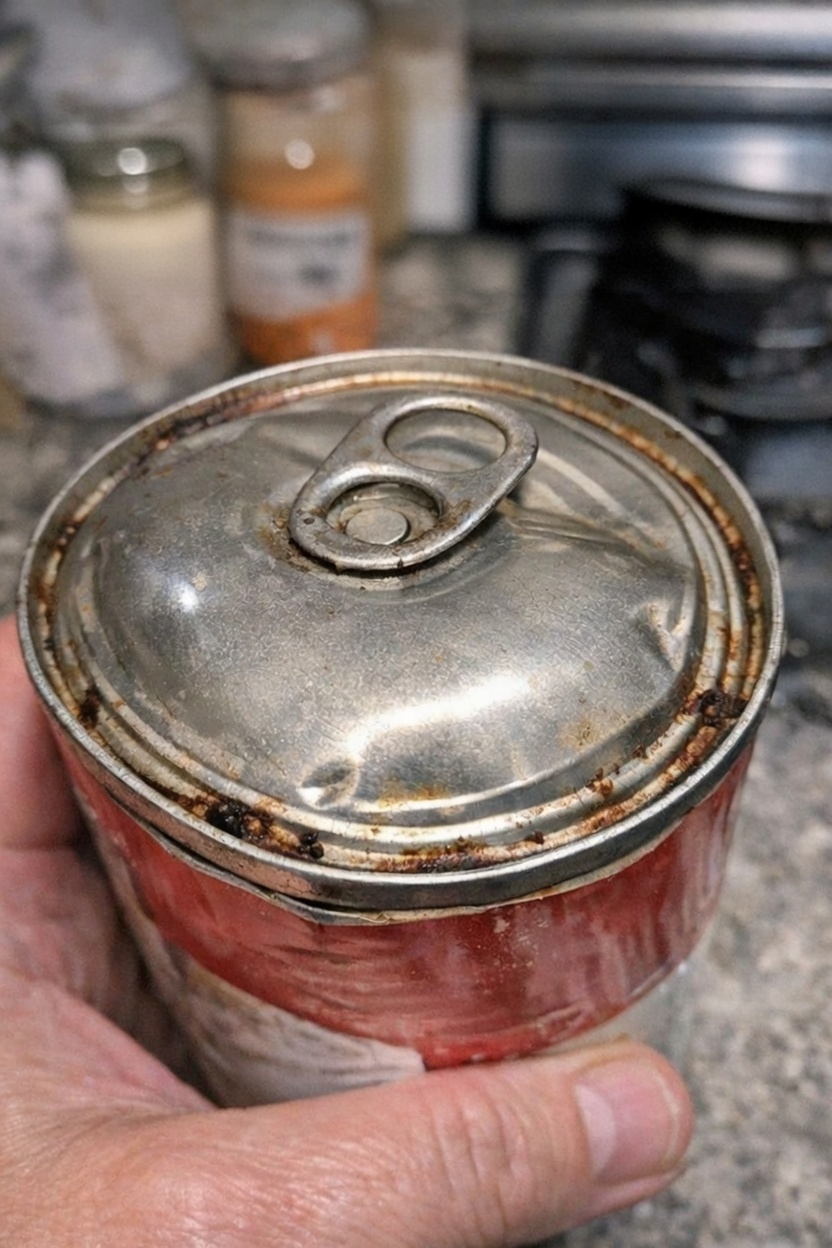
Canned foods are a common kitchen staple because they’re affordable, convenient, and have a long shelf life. But if you ever notice a can with a swollen lid or a deep dent, it can be concerning—and for good reason. Changes in a can’s shape can signal safety risks that shouldn’t be ignored.
Understanding what these warning signs mean can help you protect yourself and your family from potential foodborne illness. Here’s a clear guide to why damaged cans can be dangerous and what to do if you find one.
Table of Contents
ToggleWhy a Puffed or Dented Lid Is a Warning Sign
The structure of a can is designed to keep food sealed in a sterile, airtight environment. When that structure changes, it often means something has gone wrong.
A puffed or bulging lid usually indicates gas buildup inside the can. This gas is often produced by bacteria growing in spoiled food, creating pressure that pushes outward on the metal.
Dents can also be risky—especially if they’re deep or located near seams or the lid. Damage in these areas can break the seal or allow bacteria to enter, which may lead to contamination.
How Gas Buildup Signals a Problem
Gas inside a can is one of the clearest signs that the food is no longer safe. When bacteria grow inside sealed food, they produce gases that cause the can to swell.
While temperature changes can sometimes affect pressure slightly, swelling caused by microbial activity is far more serious. Once a can is puffed, it means the protective vacuum seal has likely been compromised.
Hidden Food Safety Risks in Damaged Cans
Compromised cans can contain dangerous bacteria that produce toxins capable of causing serious illness. These toxins may not always change the food’s smell or appearance, making them especially risky.
Other bacteria can also contaminate damaged canned foods, leading to symptoms such as stomach pain, nausea, vomiting, and diarrhea. Because the risks can be severe, it’s always best to err on the side of caution.
When a Dented Can Might Still Be Safe
Not every dent automatically makes a can unsafe. A can may still be usable if:
-
The dent is small and shallow
-
It’s not located on seams, edges, or the lid
-
There are no signs of swelling, rust, or leakage
However, deep dents, sharp creases, or damage near the seams can weaken the seal and allow contamination.
Visual Checks Before Opening
Before opening any canned food, take a moment to inspect it carefully. Look for:
-
Bulging lids or sides
-
Rust or corrosion
-
Leaks or sticky residue
-
Deep dents or damaged seams
If you see any of these signs, it’s safest to throw the can away.
Signs to Watch for After Opening
Even if a can looks fine from the outside, problems may become obvious once it’s opened.
Watch for warning signs such as:
-
A foul or unusual odor
-
Foam or liquid spraying out
-
Discoloration or mold
-
Cloudy liquid
If anything seems unusual, do not taste the food—discard it immediately.
Why You Should Never Taste Suspicious Food
Tasting food from a questionable can—even a small amount—can be dangerous. Some toxins do not affect smell or appearance, meaning you could ingest harmful substances without realizing it.
Always rely on visual and smell cues instead of taste when deciding whether food is safe.
What Experts Recommend Doing
If you find a suspicious can, experts recommend disposing of it safely rather than trying to salvage it. You may also want to inform the store where it was purchased so they can check their inventory.
After handling a damaged can, wash your hands thoroughly to avoid spreading any potential contamination.
Safe Disposal Tips
To discard a potentially unsafe can:
-
Place it in a sealed plastic bag.
-
Throw it in the trash where it won’t leak.
-
Clean and sanitize any surfaces it touched.
This helps prevent exposure to harmful bacteria or toxins.
Smart Shopping Habits to Avoid Risky Cans
When buying canned foods:
-
Choose cans without dents, rust, or swelling
-
Avoid products stored in extreme heat or humidity
-
Check expiration dates
-
Select reputable brands with good quality control
Taking a few seconds to inspect cans can help prevent problems later.
Proper Storage to Prevent Future Issues
Store canned goods in a cool, dry place away from sunlight and moisture. Rotate your pantry so older items are used first, and periodically check for signs of damage.
Good storage habits can extend shelf life and reduce the risk of encountering unsafe cans.
Final Takeaway
A puffed or badly dented can is never something to ignore. These signs often indicate contamination or spoilage that could pose serious health risks. When in doubt, the safest choice is always to throw it out—your health is far more valuable than the cost of a single can of food.
ADVERTISEMENT