
ADVERTISEMENT
ADVERTISEMENT
ADVERTISEMENT
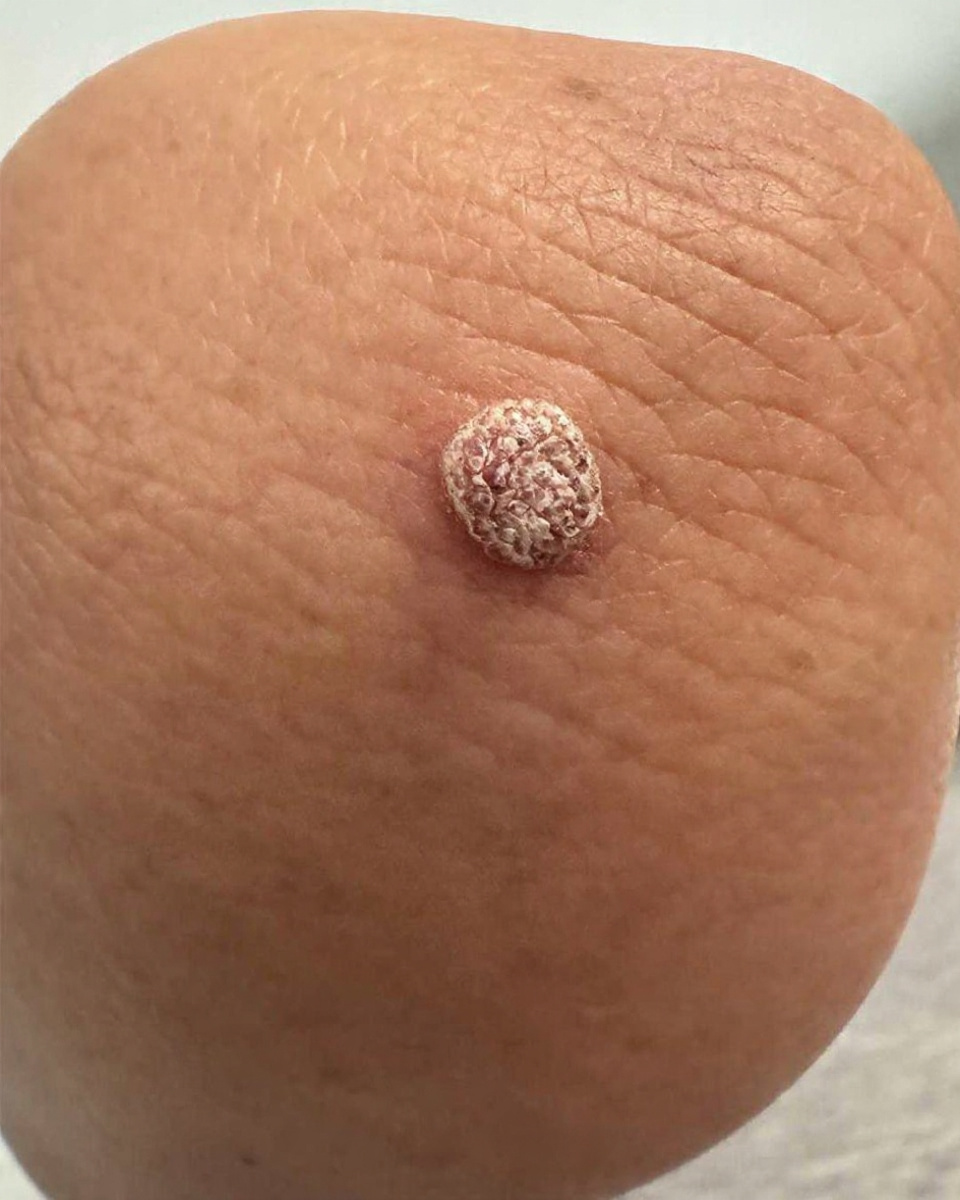
Crusty Bump on Your Elbow? Here’s What You Should Know Before Treating It
Finding a crusty bump on your elbow can feel worrying and annoying at the same time. Whether it’s uncomfortable or just looks unpleasant, you might be tempted to get rid of it yourself. But before trying anything, it’s important to understand what the bump could be and whether home treatment is actually safe.
Let’s break down the possible causes, how to tell if it’s a wart, when home remedies may be okay, and when you should see a healthcare professional.
1. Is It a Wart?
Warts are small, rough skin growths caused by the human papillomavirus (HPV). While they’re most common on fingers and hands, they can also appear on elbows.
Typical wart features:
-
Rough, grainy texture
-
Size ranging from about 1 mm to 1 cm
-
Tiny black dots inside (these are small clotted blood vessels)
If your elbow bump matches this description, it could be a wart. However, other skin conditions like eczema or psoriasis can look similar, so it’s not always easy to tell on your own.
2. Other Possible Causes of Elbow Bumps
Not every crusty bump is a wart. Other common causes include:
-
Bursitis: Swelling of the bursa, a fluid-filled sac that cushions joints. This often causes a soft, swollen lump at the elbow.
-
Cysts: Closed sacs under the skin filled with fluid or other material.
-
Eczema or psoriasis: Skin conditions that can create dry, scaly, or crusty patches.
-
Lipoma: A soft, fatty lump under the skin that is usually harmless.
Correct identification matters because treatments differ depending on the cause.
3. When Home Remedies Might Be Okay
You might consider home treatment if:
-
The bump is small
-
It’s not very painful
-
You’re fairly sure it’s a wart
Common at-home wart treatments include:
-
Salicylic acid products (available over the counter)
-
Duct tape method, which may help remove layers of the wart over time
These treatments require patience. It can take weeks or even months to see results, and they don’t work for everyone. Always watch for irritation or worsening of the skin.
4. Viral “Hacks” for Wart Removal
Social media often promotes home remedies such as:
-
Apple cider vinegar
-
Banana peels
-
Garlic
While these methods are popular, there’s very little scientific proof that they work. They can also irritate or even burn the skin. If you try them, use caution and stop if your skin becomes red, painful, or damaged.
5. Over-the-Counter Treatments
Pharmacy wart treatments usually contain salicylic acid or similar ingredients that slowly peel away the wart.
Popular options include liquid solutions, gels, and medicated pads. For best results:
-
Follow instructions carefully
-
Protect the surrounding healthy skin
-
Be consistent with daily use
If you see no improvement after several weeks, it’s time to consult a professional.
6. Risks of Removing a Wart Yourself
DIY wart removal isn’t risk-free. Possible problems include:
-
Infection from cuts or damaged skin
-
Scarring
-
Spreading the virus to other parts of your body or to others
-
Treating the wrong condition if the bump isn’t actually a wart
Using sharp tools or trying to cut the bump off yourself is especially risky and not recommended.
7. When You Should See a Doctor
Seek medical advice if the bump:
-
Is painful
-
Grows quickly
-
Changes color, shape, or size
-
Bleeds or shows signs of infection (redness, warmth, pus)
-
Doesn’t improve after weeks of home treatment
People with weakened immune systems should also see a doctor sooner, since infections can be harder to control.
8. Professional Wart Treatments
If home treatments fail, doctors have more effective options, such as:
-
Cryotherapy: Freezing the wart with liquid nitrogen
-
Laser therapy: Using focused light to destroy wart tissue
-
Electrosurgery: Burning the wart with an electric current
-
Curettage: Scraping the wart away surgically
These treatments work faster than home remedies but may require multiple visits.
9. Preventing Future Bumps
To lower your risk of warts and other skin bumps:
-
Wash your hands regularly
-
Avoid picking at warts (yours or others’)
-
Don’t share towels, razors, or personal items
-
Keep skin moisturized to prevent cracks
-
Wear elbow protection during activities that put pressure on your joints
-
Support your immune system with healthy habits
10. Common Myths About Warts
Let’s clear up a few misconceptions:
-
Myth: Cutting off a wart cures it.
Truth: This can cause infection and the wart may return. -
Myth: Warts have deep roots.
Truth: Warts grow only in the top layer of skin. -
Myth: Warts can disappear through magic or wishes.
Truth: While harmless to try, these methods aren’t medically effective.
11. Getting a Second Opinion
If a treatment isn’t working or you’re unsure about a diagnosis, it’s completely reasonable to seek a second opinion. Another healthcare professional may suggest different treatments or confirm the original plan, giving you greater peace of mind.
Your health decisions should feel informed and comfortable — don’t hesitate to ask questions or explore other options when needed.
ADVERTISEMENT