
ADVERTISEMENT
ADVERTISEMENT
ADVERTISEMENT
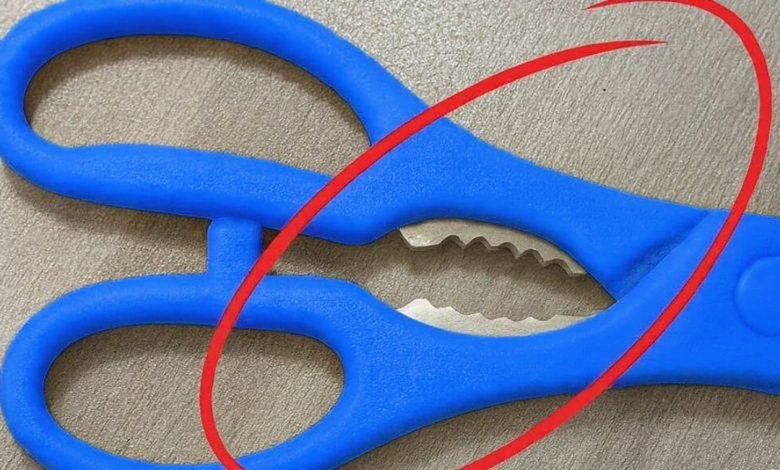
If you’ve ever looked closely at a pair of sturdy kitchen scissors, you may have noticed a small, jagged section tucked near the hinge where the handles meet. Most people never give it a second thought. After all, scissors are for cutting—right?
That unusual, toothy notch isn’t decorative or accidental. It’s a cleverly designed feature that adds power, grip, and versatility to your kitchen scissors, turning them into a quiet multi-tool you may already own without realizing it.
Table of Contents
ToggleWhat Is That Serrated Notch?
This feature is commonly called a jar grip, nutcracker, or bone gripper. You’ll usually find it on heavy-duty kitchen shears, poultry scissors, or multi-purpose utility scissors.
When you partially close the handles, the ridged metal edges interlock to create a firm, non-slip grip. Because it’s located close to the pivot point, it allows you to apply strong pressure with very little effort—making difficult kitchen tasks much easier and safer.
Smart Ways to Use the Scissor Notch
1. Opening Stubborn Jars and Bottles
How it works: Place the lid into the ridged section and squeeze gently while twisting.
Why it helps: The teeth grip the lid tightly, helping break the seal—perfect for weak grips or sore hands.
2. Cracking Nuts Without a Nutcracker
How it works: Set a nut, such as a walnut or hazelnut, into the grooves.
Why it helps: Apply slow, steady pressure to crack the shell without crushing the nut inside.
3. Snapping Small Poultry Bones
How it works: Position wing tips or small bones in the notch.
Why it helps: The grip keeps the bone steady, allowing a clean break while reducing slipping.
4. Handling and Prepping Seafood
How it works: Grip crab legs or lobster claws in the notch before cracking or cutting.
Why it helps: Improves control on slippery shells and keeps your fingers away from sharp edges.
5. Removing Tight Plastic Caps
How it works: Clamp the cap between the ridges and twist.
Why it helps: Saves your nails and provides a secure grip on stubborn plastic tops.
Safety and Maintenance Tips
-
Don’t overload the tool: Avoid using the notch on large or very thick bones unless your scissors are designed for heavy-duty use.
-
Watch your fingers: The serrated area can pinch if you’re not careful.
-
Clean thoroughly: Food particles can collect in the grooves, so wash well with warm, soapy water after each use.
-
Stick to kitchen tasks: Using scissors on paint cans or household hardware can damage them.
Do All Kitchen Scissors Have This Feature?
No. You’ll typically find this notch on:
-
Poultry shears (often spring-loaded)
-
Heavy-duty kitchen scissors
-
Multi-purpose utility shears
If your scissors close flat with smooth handles, they likely don’t include this feature. But if you see interlocking ridges near the hinge, you’re holding a powerful hidden tool.
Final Thoughts
Good design often hides in plain sight. That small notch in your kitchen scissors can replace multiple tools, reduce clutter, and make everyday cooking tasks easier. The next time you’re in the kitchen, remember—your scissors can do far more than just cut.
ADVERTISEMENT