
ADVERTISEMENT
ADVERTISEMENT
ADVERTISEMENT
How to Manage and Prevent Rashes Under the Belly Fold
Rashes that develop in skin folds—especially under the belly—can be uncomfortable, persistent, and frustrating. These rashes often return repeatedly and may worsen during certain seasons, leaving many people unsure about the cause or how to treat them effectively. Although cold weather doesn’t seem like an obvious trigger, it can actually contribute to or worsen these rashes because of changes in clothing, indoor heating, and skin moisture balance.
When you don’t have immediate access to a healthcare professional, managing the condition at home can feel overwhelming. Fortunately, there are practical steps you can take to reduce irritation, relieve discomfort, and prevent future flare-ups. This guide explains the most likely causes, simple treatments you can start right away, and signs that indicate when medical care is needed.
1. How to Tell If a Belly-Fold Rash Is Intertrigo
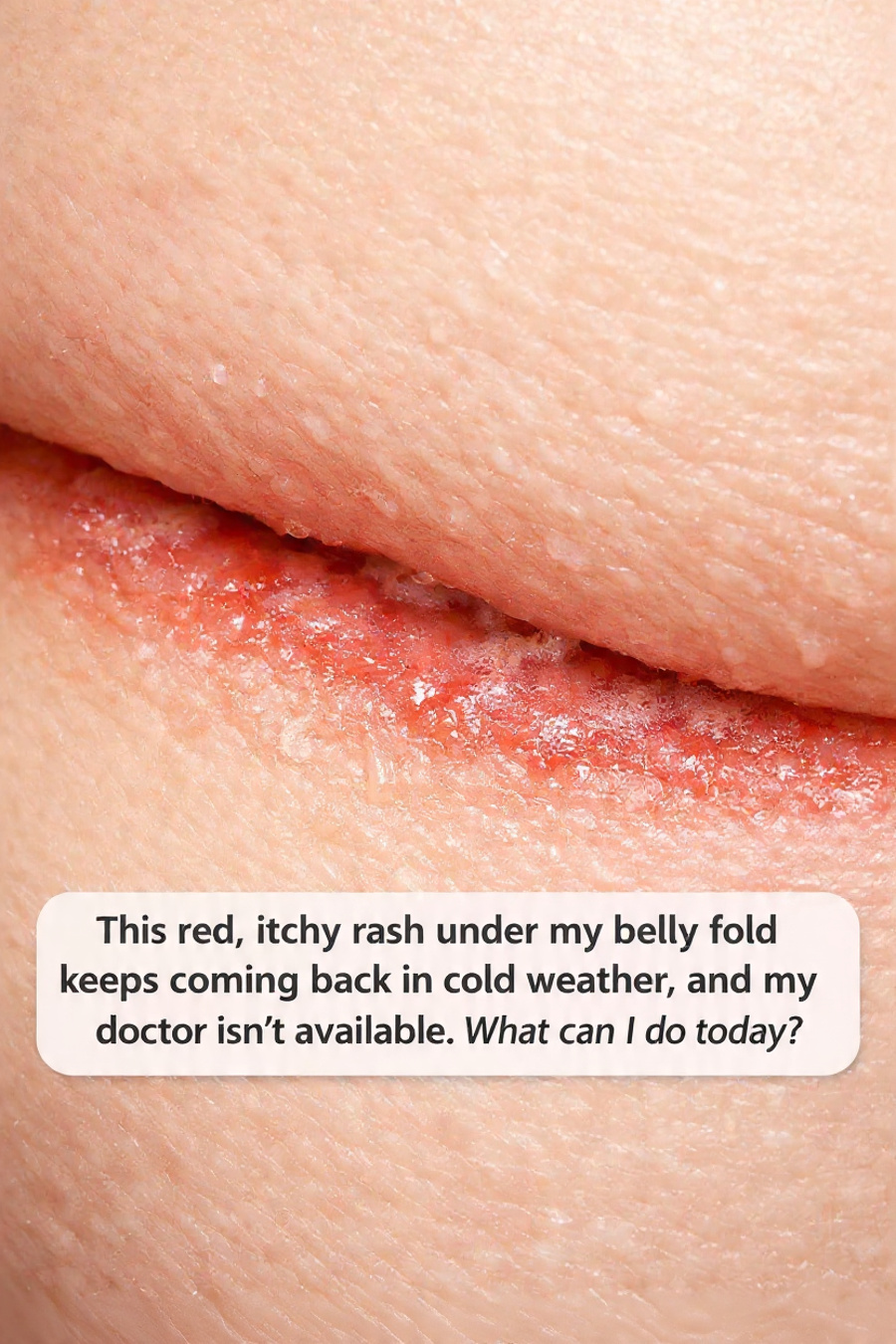
Intertrigo is a common inflammatory rash that develops in skin folds where skin rubs against skin. It is caused by friction and worsened by moisture and trapped heat. The rash usually appears red, itchy, tender, and sometimes has an unpleasant odor. In some cases, the skin may feel raw or develop small cracks.
This condition most often affects areas like the belly fold, under the breasts, the groin, or the armpits. Mild cases may involve slight redness and discomfort, while more severe cases can spread, become painful, or become infected. Monitoring how large the rash becomes and whether symptoms worsen helps determine if medical treatment is necessary.
2. Why Cold Weather Can Still Cause a Sweaty Skin-Fold Rash
Although intertrigo is often associated with hot weather, cold seasons can also trigger it. Wearing multiple layers to stay warm can trap heat and sweat against the skin, especially under folds. At the same time, indoor heating dries out the air, which can weaken the skin barrier and increase irritation from friction.
This combination creates a warm, damp environment under skin folds—ideal conditions for irritation and yeast growth. Recognizing this helps you make small adjustments to clothing and skincare routines during colder months.
3. Start Today: Gently Clean and Fully Dry the Area
The most important first step is keeping the affected area clean and dry. Wash gently using lukewarm water and a mild, fragrance-free soap. Avoid scrubbing or using hot water, as these can worsen irritation.
After washing, pat the skin dry with a soft towel instead of rubbing. To ensure all moisture is removed, you can use a hairdryer on a cool or low setting. Moisture control is essential for healing and preventing further irritation.
4. The T-Shirt Trick: A Simple Way to Keep Folds Dry
A helpful at-home method is placing a soft, clean cotton cloth—such as a piece of a T-shirt—between the skin folds. Cotton absorbs moisture while allowing airflow, helping to keep the area dry.
Change the cloth whenever it becomes damp. This simple technique reduces friction and moisture buildup, two major contributors to skin-fold rashes.
5. Over-the-Counter Creams and Powders That May Help
Several non-prescription products can provide relief. Zinc oxide creams, commonly used for diaper rash, form a protective barrier against moisture. Calamine lotion can soothe itching and irritation.
If a fungal infection is suspected, antifungal creams or powders may be useful. Always apply these products to clean, completely dry skin for best results.
6. Signs the Rash May Be Caused by Yeast
Intertrigo is often complicated by yeast infections. Signs include worsening redness, a strong odor, itching, or a whitish residue. Yeast thrives in warm, moist environments like skin folds.
In these cases, antifungal creams containing clotrimazole or miconazole may help. Use them as directed and complete the full course, even if symptoms improve early.
7. Simple Home Remedies to Relieve Burning and Itching
Cool compresses applied for 15–20 minutes can reduce inflammation and provide quick relief from burning or itching. Oatmeal baths or a gentle baking soda paste may also help calm irritated skin.
These comfort measures can be safely combined with other treatments to improve overall relief.
8. What You Should Avoid Putting on the Rash
Not all popular home remedies are safe. Avoid applying vinegar, lemon juice, or essential oils directly to the rash, as they can burn or worsen irritation.
Topical steroid creams, such as hydrocortisone, should not be used for long periods without medical advice. Improper use can thin the skin and worsen infections.
9. Clothing and Support Tips to Reduce Friction
Wear loose-fitting, breathable clothing made from natural fabrics like cotton. Tight or synthetic clothing traps heat and moisture, increasing irritation.
Supportive undergarments that lift skin away from folds—such as a properly fitted bra—can significantly reduce friction and moisture buildup.
10. Lifestyle Changes That Help Prevent Future Flare-Ups
Maintaining a healthy weight can reduce the number and depth of skin folds, lowering the risk of recurrent rashes. Regular physical activity and balanced nutrition support overall skin health.
Using fragrance-free moisturizers helps protect the skin barrier, and a home humidifier can counteract dry indoor air during winter months.
11. Warning Signs That Require Medical Attention
Seek medical care if the rash becomes extremely painful, produces pus, spreads rapidly, or is accompanied by fever. These symptoms may indicate a bacterial infection that needs prescription treatment.
If the rash does not improve after a week of home care or keeps returning, a healthcare professional should evaluate it to rule out underlying conditions.
ADVERTISEMENT