
ADVERTISEMENT
ADVERTISEMENT
ADVERTISEMENT
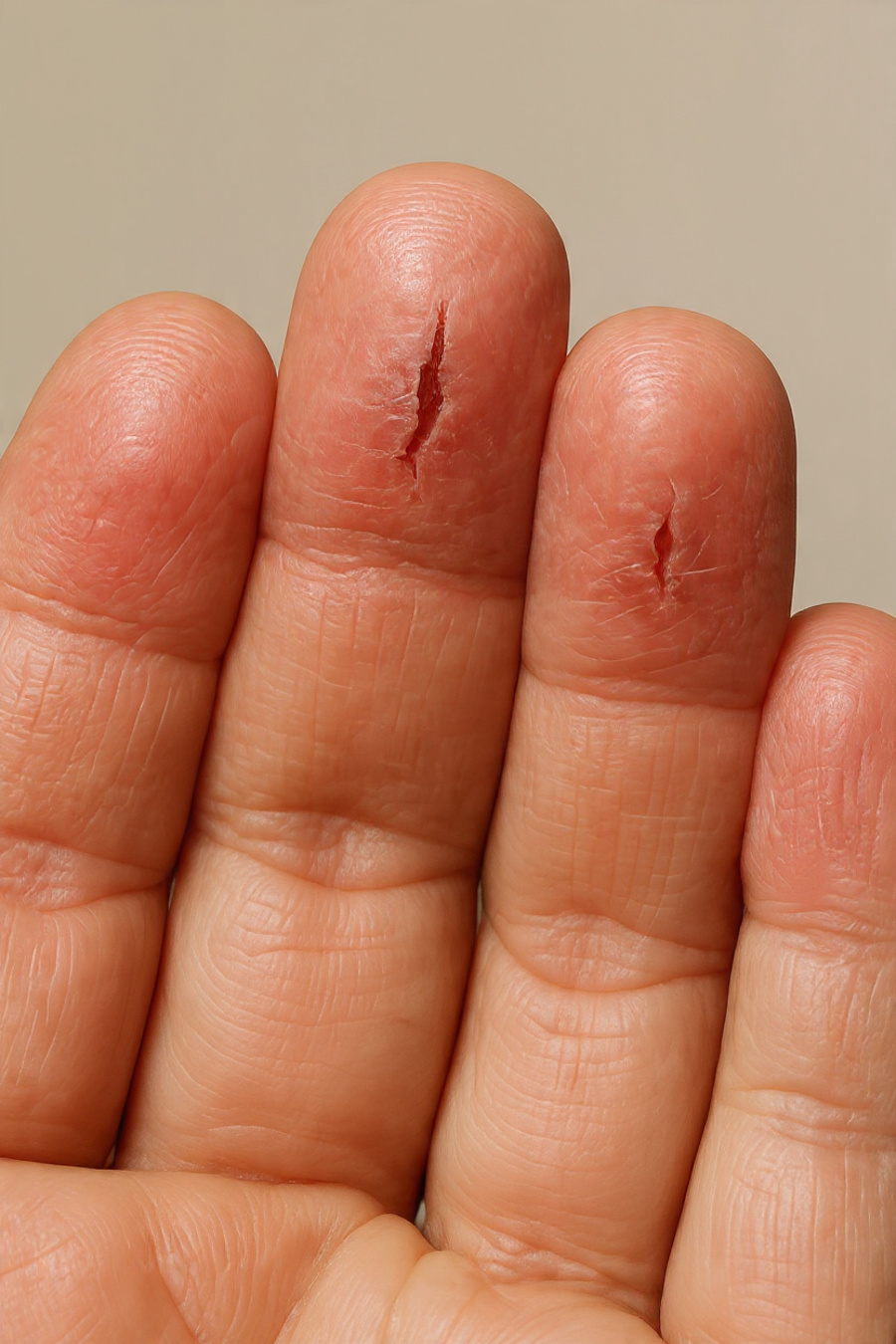
How to Heal and Prevent Painful Split Fingertips in Cold Weather
As winter sets in and temperatures drop, many people notice their skin becoming dry, tight, and uncomfortable. One of the most painful and frustrating cold-weather skin problems is split fingertips. When skin loses moisture and elasticity, it can crack open—making even simple tasks feel painful. For those who can’t immediately see a doctor, this can feel overwhelming.
The good news is that split fingertips can often be treated and prevented at home. Below, we’ll explain why cold weather makes this problem worse, how to care for cracked fingertips safely, and when it’s time to seek medical attention.
1. Why Cold Weather Causes Fingertips to Split
Cold air holds less moisture, leading to lower humidity levels that dry out the skin. As the skin’s outer layer loses hydration, it becomes fragile and more likely to crack—especially on fingertips, which are constantly exposed to the elements.
This problem worsens with frequent handwashing and alcohol-based sanitizers, both of which strip away natural oils. Over time, the skin’s protective barrier weakens, making it harder to retain moisture and protect against damage.
2. When Split Fingertips Are Mild vs. Serious
In most cases, split fingertips are uncomfortable but manageable. They may sting, bleed slightly, or make daily activities unpleasant. However, deeper cracks can allow bacteria to enter the skin, increasing the risk of infection.
Seek medical care if you notice redness spreading beyond the crack, swelling, warmth, pus, increasing pain, or if the skin does not improve with home treatment. These symptoms may indicate infection or an underlying skin condition.
3. Start With Gentle Cleaning and Sealing
The first step in healing cracked fingertips is gentle cleansing. Wash your hands with a mild, fragrance-free soap and lukewarm water. Avoid scrubbing. Pat dry carefully to prevent further irritation.
Once clean, seal the cracks using a thick ointment such as petroleum jelly. This creates a protective barrier that locks in moisture and allows the skin to heal.
4. The Superglue Trick: When It’s Safe
In certain situations, medical-grade superglue can help close small, clean cracks. This method should only be used on shallow, non-infected splits.
Apply a tiny amount using a toothpick along the edges of the crack, gently pressing the skin together until it dries. Never use superglue on deep wounds, bleeding cracks, or signs of infection, as this can trap bacteria inside.
5. Bandaging the Right Way
Liquid bandages are ideal for small cracks, forming a flexible, waterproof seal that protects the skin during healing. They’re especially helpful for active hands.
For deeper splits, use soft adhesive bandages or medical tape. Make sure the bandage isn’t too tight, and change it regularly—especially if it gets wet or dirty.
6. Build a “Moisture Sandwich” for Maximum Healing
One of the most effective hydration techniques is layering products:
-
Start with a humectant lotion (like glycerin-based creams) to draw moisture into the skin.
-
Follow with a thick emollient cream to restore the skin barrier.
-
Finish with an occlusive like petroleum jelly to seal everything in.
This method keeps the skin hydrated longer and reduces the risk of cracking.
7. Nighttime Repair Routine
Nighttime is ideal for intensive repair. Soak your hands in warm water for 5–10 minutes, then gently dry them. Apply a thick layer of ointment or balm and wear cotton gloves overnight.
This traps moisture and allows deeper healing while you sleep. Many people notice softer, less painful skin by morning.
8. Reduce Damage From Soap and Sanitizers
Excessive exposure to soap and sanitizer worsens dryness. Use gentle, moisturizing hand soaps whenever possible and limit sanitizer use to when soap and water aren’t available.
Wash hands with lukewarm—not hot—water, and apply moisturizer immediately afterward to replace lost oils.
9. Smart Glove Use Indoors and Outdoors
Gloves are essential in winter. Wear insulated gloves outdoors to protect against cold and wind. For cleaning or dishwashing, use rubber gloves to shield hands from water and chemicals.
If your hands sweat inside gloves, choose breathable materials or use cotton glove liners to prevent moisture buildup and irritation.
10. DIY Fixes to Avoid
Some viral remedies—like lemon juice, vinegar, or harsh scrubs—can make cracks worse and cause pain. Avoid applying acidic or abrasive substances to broken skin.
Stick to proven methods: hydration, protection, and gentle care. When in doubt, consult a dermatologist.
11. Signs of Eczema, Psoriasis, or Allergies
If cracked skin persists despite proper care, an underlying condition may be present. Eczema often causes itchy, red patches, while psoriasis leads to thick, scaly plaques.
Widespread rashes, intense itching, or repeated flare-ups should be evaluated by a healthcare professional.
12. Nutrition and Hydration Matter
Healthy skin starts from within. Drink enough water daily to support hydration. Eat foods rich in omega-3 fatty acids—such as salmon, walnuts, and flaxseed—to strengthen the skin barrier.
Supplements like vitamin E or biotin may support skin health, but consult your healthcare provider before starting new supplements.
13. Red Flags That Require Medical Attention
Seek medical help if you experience severe pain, swelling, pus, fever, or worsening cracks despite treatment. These signs may indicate infection or a more serious condition that requires professional care.
Ignoring these symptoms can lead to complications, so don’t delay when your body is signaling for help.
ADVERTISEMENT