ADVERTISEMENT
ADVERTISEMENT
ADVERTISEMENT
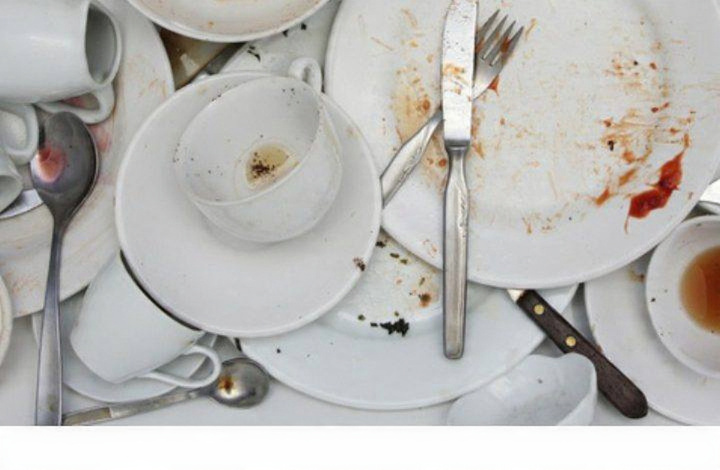
The Hidden Psychology Behind Leaving Dirty Dishes — and Why It Actually Matters
The way we care for our home often reflects what’s happening internally. Even something as simple as letting dishes pile up can reveal patterns in our habits, emotional well-being, and daily routines.
If you’ve ever wondered why some people avoid washing dishes — or what this behavior might signal — here’s a look at the psychology behind it and why staying on top of kitchen tasks truly makes a difference.
What Dirty Dishes May Reveal About Someone
Leaving dishes in the sink isn’t automatically a sign of laziness. In many cases, it points to deeper mental or lifestyle factors such as:
1. Stress and Fatigue
After a long, draining day, even small tasks can feel too demanding. When energy is low, washing dishes becomes easy to postpone.
2. Procrastination and Disorganization
Procrastination isn’t limited to school or work. Many people see dishes as a “later” task — a sign of broader difficulty with prioritizing or managing responsibilities.
3. Emotional Health Struggles
When someone is feeling overwhelmed, anxious, or down, household routines often slip. Clutter — including dirty dishes — can be a side effect of emotional strain.
4. Lack of Structure
Without daily habits or routines, keeping a home tidy becomes harder. Dirty dishes may simply reflect the absence of consistent household patterns.
Why It’s Important Not to Let Dishes Pile Up
Whatever the reason behind the clutter, a sink full of dishes has real impacts beyond appearance:
1. Preventing Odors and Bacterial Growth
Leftover food attracts pests and encourages bacteria. When plates pile up, unpleasant smells can spread quickly.
2. Reducing Mental Stress
A messy sink can create a feeling of chaos. Seeing clutter — even small clutter — can increase stress and make it harder to focus or relax.
3. Building Healthy Habits and Self-Care
Keeping up with dishes is a small but meaningful act of responsibility. A clean kitchen supports discipline, better routines, and a sense of self-respect.
4. Improving Household Relationships
In shared homes, dirty dishes are one of the most common sources of conflict. Staying on top of them helps create a calmer, more cooperative environment.
Final Thought: It’s More Than Just a Chore
Washing dishes is about more than cleanliness — it reflects emotional balance, organizational habits, and how we approach daily life. While skipping the task occasionally is perfectly normal, consistently letting dishes accumulate can affect your mood, your relationships, and the overall atmosphere of your home.
Choosing to tackle dishes right away doesn’t just clean your kitchen — it improves your mind-set and creates a more peaceful living space.
For more Recipes follow me in Facebook , Pinterest !
ADVERTISEMENT