
ADVERTISEMENT
ADVERTISEMENT
ADVERTISEMENT
5 Health Conditions That Can Make Veins More Visible — And When It’s Worth Paying Attention
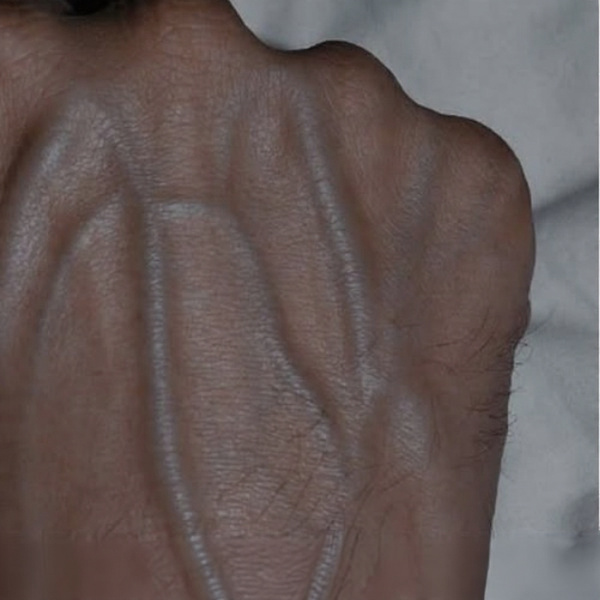
It’s normal to see veins on your hands, arms, or legs — especially if you’re naturally lean, active, or getting older. In many cases, visible veins are completely harmless and simply reflect your body type or lifestyle.
But sometimes, sudden swelling, bulging, or changes in color can point to something deeper going on with your circulation. Visible veins aren’t always just a cosmetic detail — occasionally, they’re a sign that your body needs attention.
Here are five health conditions that can make veins stand out more than usual, and what these signs might mean.
1. Chronic Venous Insufficiency (CVI)
What it is:
CVI happens when the valves inside your leg veins don’t work as well as they should. Instead of sending blood back toward the heart, the weakened valves allow blood to pool in the legs. This can stretch and enlarge the veins, making them more noticeable.
Common symptoms:
-
Veins that appear twisted, swollen, or rope-like
-
Aching or heaviness in the legs
-
Swelling around the ankles and calves
-
Skin that darkens, especially near the ankles
-
Slow-healing sores or ulcers
Who may develop it:
-
People who sit or stand for long hours
-
Pregnant individuals
-
Older adults
-
Anyone with a family history of vein issues
Why it matters:
If CVI worsens, it can lead to skin problems, discomfort, or infections that need medical care.
2. Varicose Veins
What they are:
Varicose veins are enlarged, twisted veins — usually on the legs — and are one of the most common vein-related concerns. Even though they’re often viewed as cosmetic, they can also signal circulation problems.
Typical signs:
-
Dark blue or purple bulging veins
-
Itching or burning around the area
-
Restless or tired legs
-
Increased discomfort after standing
Possible contributors:
-
Genetics
-
Pregnancy
-
Higher body weight
-
Long periods of sitting or standing
Although varicose veins aren’t always harmful, they can sometimes progress into more serious vein conditions.
3. Deep Vein Thrombosis (DVT)
What it is:
DVT occurs when a blood clot forms in a deep vein, usually in the leg. While the clot itself is hidden inside the body, it can cause swelling that makes surface veins appear more prominent.
Warning signs:
-
Swelling in one leg (not both)
-
Pain or tenderness, often starting in the calf
-
Warmth or redness
-
Veins that suddenly look more raised or swollen
Why this matters:
DVT is a medical emergency. A clot can travel to the lungs and cause a serious complication called a pulmonary embolism. Anyone with sudden swelling or pain in one limb should get medical attention right away.
4. Congestive Heart Failure (CHF)
What it is:
CHF happens when the heart isn’t pumping as effectively as it should. This can cause fluid buildup in the legs, abdomen, and even the neck.
Key signs may include:
-
Noticeably enlarged neck veins
-
Swelling in the feet and ankles
-
Fatigue
-
Shortness of breath
-
Irregular or fast heartbeat
Because the heart affects circulation throughout the whole body, changes in visible veins—especially in the neck—can sometimes be an important clue.
5. Peripheral Vascular Disease (PVD)
What it is:
PVD occurs when blood vessels in the limbs become narrowed due to plaque buildup. This affects blood flow, and your body may make surface veins more visible as it tries to reroute circulation.
Possible symptoms:
-
Coldness or numbness in the legs or feet
-
Leg pain when walking
-
Weak pulses in the feet
-
Thin, shiny skin
-
Slow-healing wounds or sores
Because PVD affects blood circulation, early care is important for long-term health.
When It’s a Good Idea to Get Checked
Visible veins on their own aren’t automatically a cause for worry. Many people naturally have noticeable veins, and exercise, heat, or even temporary dehydration can make them stand out.
But it’s a good idea to reach out to a healthcare professional if you notice:
-
Veins that appear suddenly or grow quickly
-
Swelling, pain, or warmth in one limb
-
Changes in skin color
-
Sores or ulcers near your ankles
-
Veins that feel hard, tender, or hot
A doctor can help figure out what’s going on and recommend next steps based on your situation.
Final Thought: Your Veins Can Tell a Story
Visible veins don’t always signal a problem — but sometimes, they’re your body’s way of asking you to pay attention.
Your veins aren’t just part of your circulation.
They’re messengers.
-
Gradual, harmless changes are normal.
-
Sudden, painful, or uneven changes deserve a closer look.
Listening to what your body shows on the outside can help protect what’s happening on the inside.
For more Recipes follow me in Facebook , Pinterest !
ADVERTISEMENT