ADVERTISEMENT
ADVERTISEMENT
ADVERTISEMENT
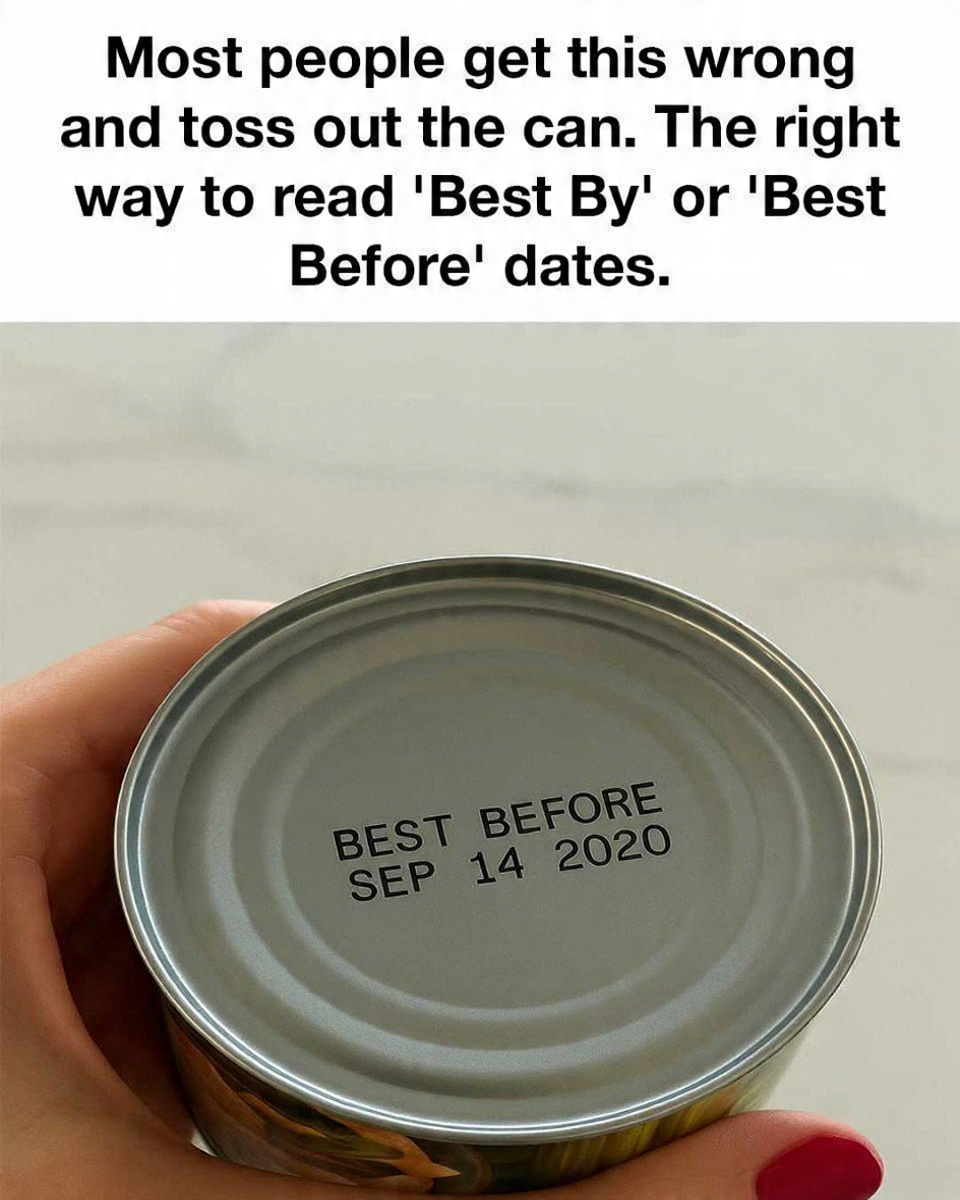
In the world of packaged foods, labels like “Best By” and “Best Before” appear on almost everything we buy, yet they’re often misunderstood. Many people assume these dates indicate when food becomes unsafe to eat. In reality, they usually refer only to quality — not safety. This confusion causes countless consumers to throw away perfectly good food, contributing to unnecessary food waste. Learning how to interpret these labels correctly, especially on canned goods, can help you save money and make more sustainable choices.
Table of Contents
ToggleWhat “Best By” Dates Actually Mean
Manufacturers use “Best By” dates to indicate when a product is expected to have its best taste, texture, and nutritional value. These estimates are based on factors like the type of food, packaging, and recommended storage conditions.
In most cases — except for infant formula — these dates are not strictly regulated and are meant to serve as guidance rather than a safety deadline.
Common Myths About Expiration Labels
A widespread misunderstanding is treating “Best By” dates as strict expiration cutoffs. In reality, food doesn’t suddenly become unsafe once the date passes.
Many products, especially shelf-stable items like canned foods, can remain safe to eat for months or even years beyond the printed date if stored properly. They may lose some flavor or texture, but they’re often still perfectly usable.
“Best By” vs. “Use By”: Know the Difference
Understanding the difference between these labels can help you avoid unnecessary waste while staying safe.
-
Best By: Indicates when the product is at its highest quality.
-
Use By: Typically appears on perishable foods like dairy or deli meats and should be followed more carefully for safety reasons.
How Long Do Canned Foods Last After the Date?
When stored in a cool, dry place with intact packaging, many canned foods can last well beyond their “Best By” date. The exact timeframe varies depending on the type of food, but proper storage plays a major role in preserving quality and safety.
How to Check If Canned Food Is Still Safe
Even after the printed date, you can often determine safety by using your senses:
-
Look: Avoid cans that are bulging, leaking, rusted, or badly dented — especially near seams.
-
Smell: Sour, metallic, or rotten odors are clear warning signs.
-
Taste: If the food looks and smells normal, try a small taste. If it seems off, discard it.
Proper Storage Makes a Big Difference
How you store canned goods can greatly affect how long they last:
-
Keep them in a cool environment, ideally between 50–70°F (10–21°C).
-
Store them in a dry area away from humidity.
-
Avoid direct sunlight, which can degrade quality over time.
With proper storage, canned foods can stay usable far beyond their suggested dates.
The Cost of Food Waste
Throwing away edible food has both financial and environmental consequences. A significant portion of food is wasted each year, filling landfills and contributing to greenhouse gas emissions. Misunderstanding date labels is a major factor behind this problem.
Simple Ways to Reduce Food Waste
-
Don’t assume dates equal danger — they usually reflect quality.
-
Rotate pantry items using the “First In, First Out” method.
-
Purchase only what you can realistically use.
-
Donate non-perishable foods before they go unused.
Conclusion: Smarter Choices Start With Understanding Labels
Knowing the true meaning of “Best By” and “Best Before” dates can help you waste less, save money, and make more environmentally friendly decisions. By storing food properly, using your senses to evaluate quality, and understanding label terminology, you can confidently make the most of your pantry items.
ADVERTISEMENT